
TURNKEY DIALYSIS CENTRE SETUP
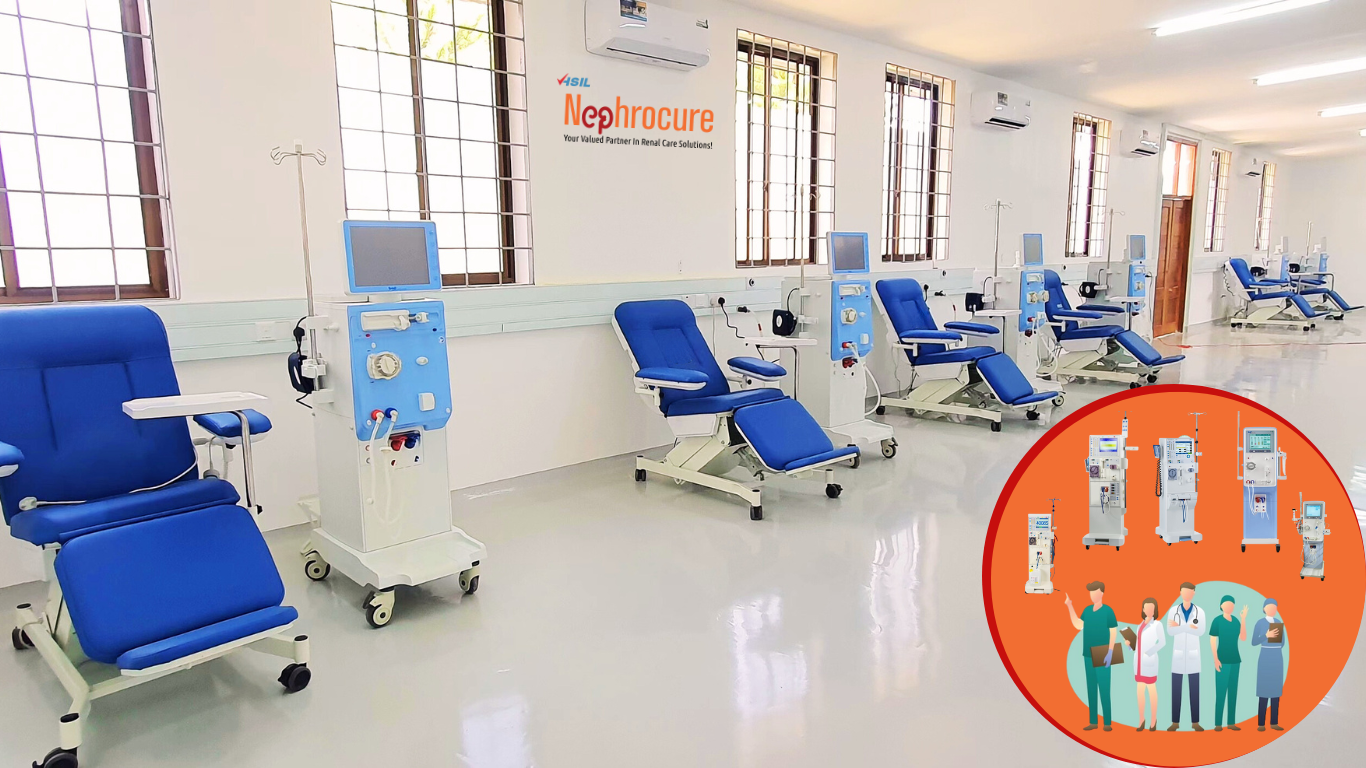
How We Deliver Turnkey Dialysis Setup (Step-by-Step Process)
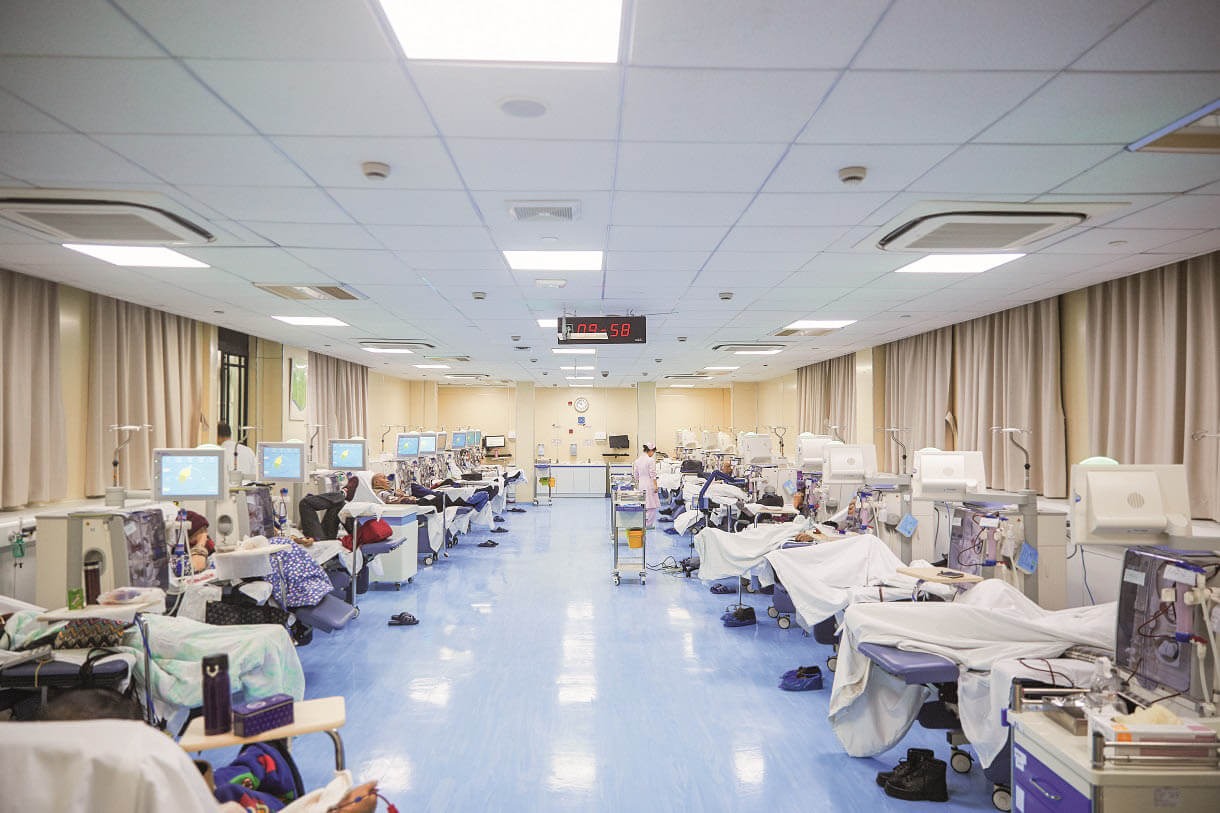
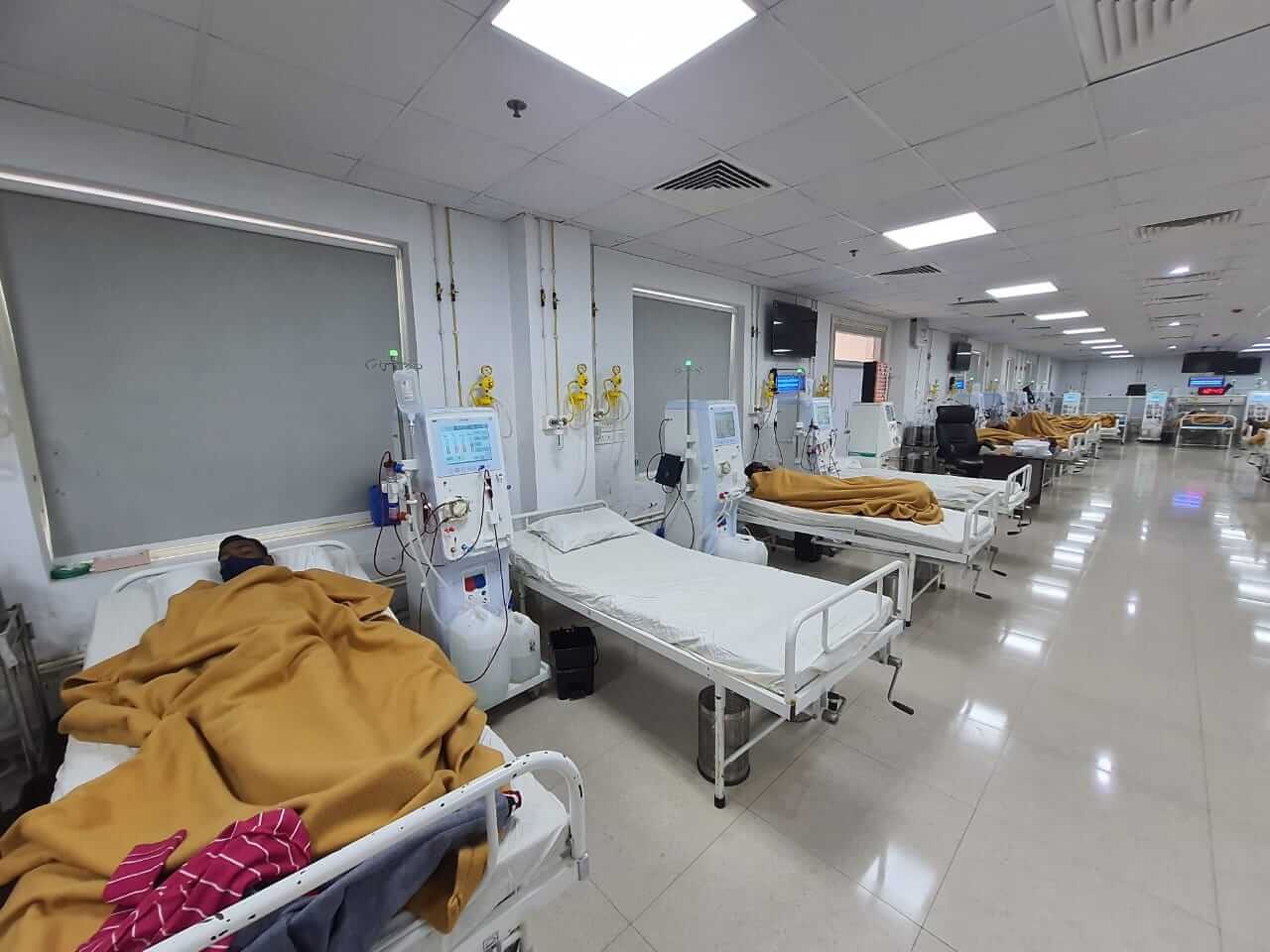
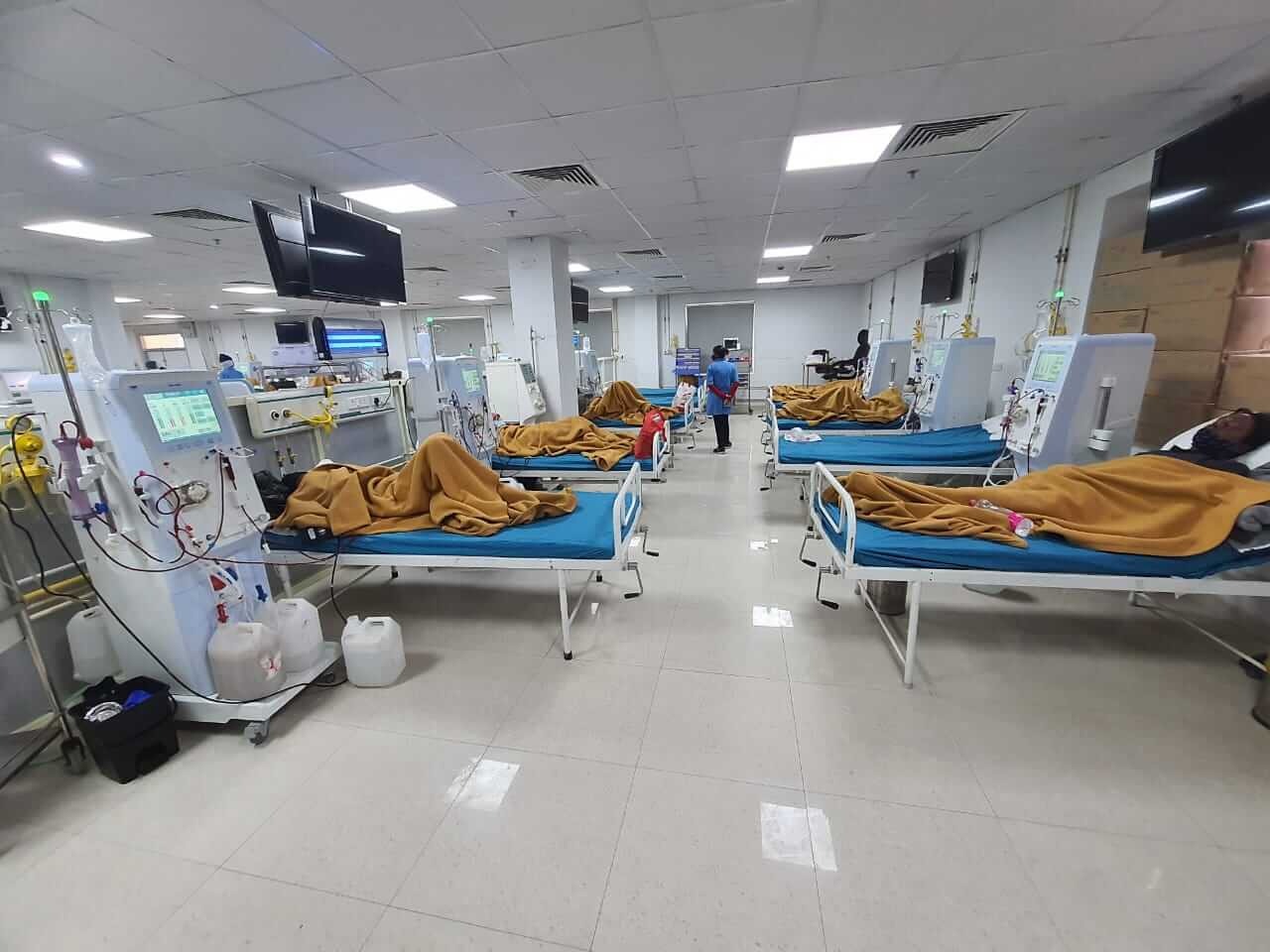
Setting up a dialysis centre can be complex, but our turnkey solution makes it easy from start to finish. We handle everything so you can focus on patient care.
1. Requirement Discussion
- Are you planning to start a new dialysis center or upgrade an existing one?
- Do you want to set up the dialysis center in a hospital or as a charitable (Trust) / independent centre?
- How many dialysis beds or machines are you planning to set up?
- What type of patients are you planning to serve?
- Do you have a specific budget in mind for the setup?
- Are you looking for a basic setup or a fully advanced dialysis center?
- Do you want a complete turnkey solution handled by experts?
- Are you expecting guidance on government norms and compliance?
2. Site Evaluation & Feasibility
- Do you know if your available space is suitable for a dialysis center setup?
- Does your location have a proper and continuous water supply?
- Is there stable electricity available for the smooth operation of machines?
- Do you want a professional team to inspect your site and check all requirements?
Our team conducts a detailed site evaluation to assess your space, infrastructure, water supply, and power availability – ensuring a smooth, efficient, and fully compliant dialysis centre setup.
3. Planning & Layout Design
- Do you want a well-planned dialysis centre layout?
- Would you like to see a complete design of your centre before the actual setup?
- Do you want smooth movement for staff and patients?
- Do you want a layout as per medical standards?
- Do you want proper water, drainage, and electrical planning?
- Are you looking for a customised design based on your space and capacity?
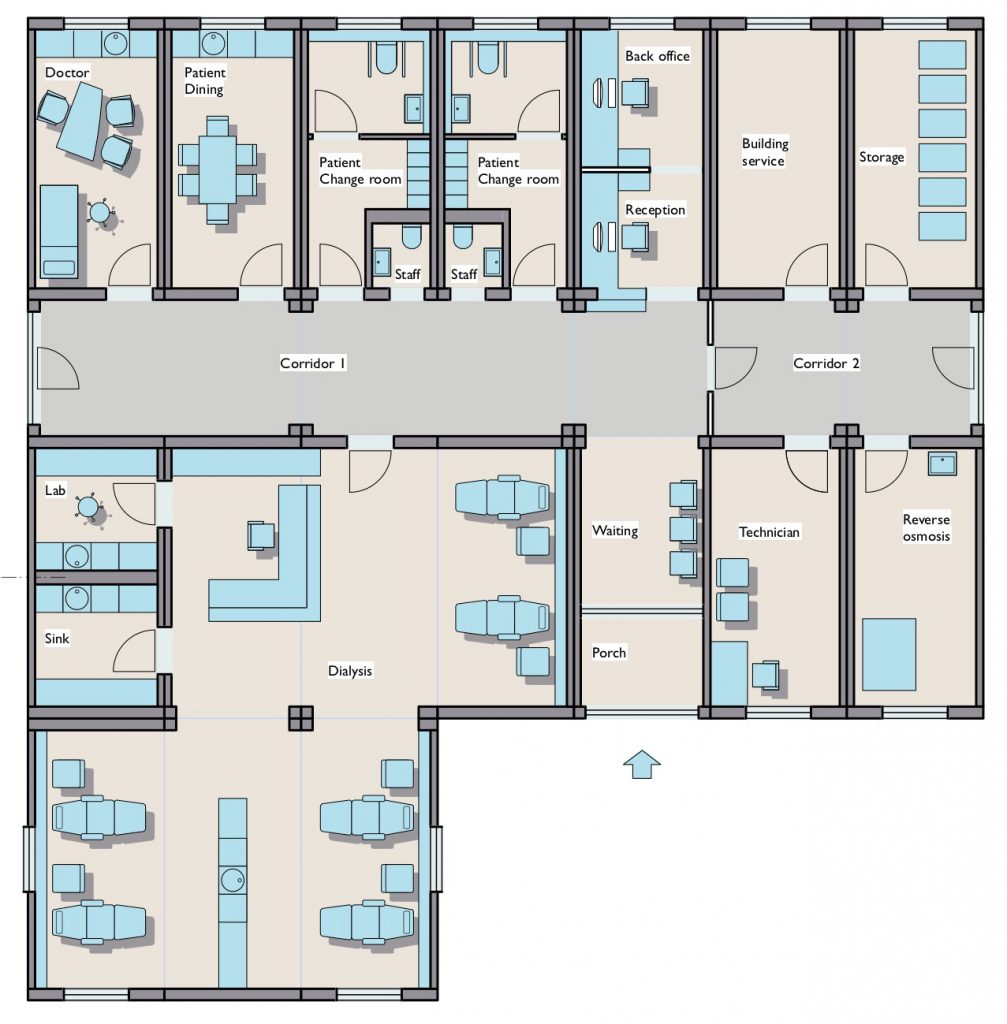
We design a complete AutoCAD-based layout covering equipment placement, utilities, patient areas, and hygiene zones — ensuring a smooth, efficient, and patient-friendly dialysis centre setup.
4. Complete Setup Execution
- Do you want a complete setup handled by experts?
- Do you want a smooth and hassle-free execution?
- Do you want proper water, drainage, and electrical setup?
- Do you want the RO plant and utilities setup done correctly?
- Do you want everything ready without delays or errors?
We handle complete setup execution – from installation to final readiness – ensuring a smooth, error-free, and fully operational dialysis centre.
5. Testing & Quality Check
- Do you want complete testing before starting operations?
- Do you want all machines checked for proper performance?
- Do you want the water and RO system fully tested?
- Do you want safety and hygiene standards verified?
- Do you want a final quality check before patient use?
We conduct complete testing and quality checks to ensure your dialysis centre is safe, reliable, and ready for smooth operations from day one.
6. Training, Staffing & Ongoing Support
- Do you want staff training for smooth operations?
- Do you need trained technicians for your centre?
- Do you want support in hiring dialysis staff?
- Do you want guidance for daily operations?
- Do you need ongoing technical support after setup?
- Do you want quick help in case of any issue?
We provide complete training, staffing support, and ongoing assistance to ensure your dialysis centre runs smoothly without any interruption.
Refurbished Dialysis Machine Setup Cost for 1 Bed/Chair is a minimum Rs. 7 Lakh (INR), including free installation & training.
New Dialysis Machine setup Cost for 1 Bed/Chair is a minimum Rs. 9 Lakh (INR), including free installation & training.
What We Offer in Our Turnkey Dialysis Centre Setup.
1. Site Assessment & Layout Planning
We evaluate your space and create an optimised floor plan that includes:
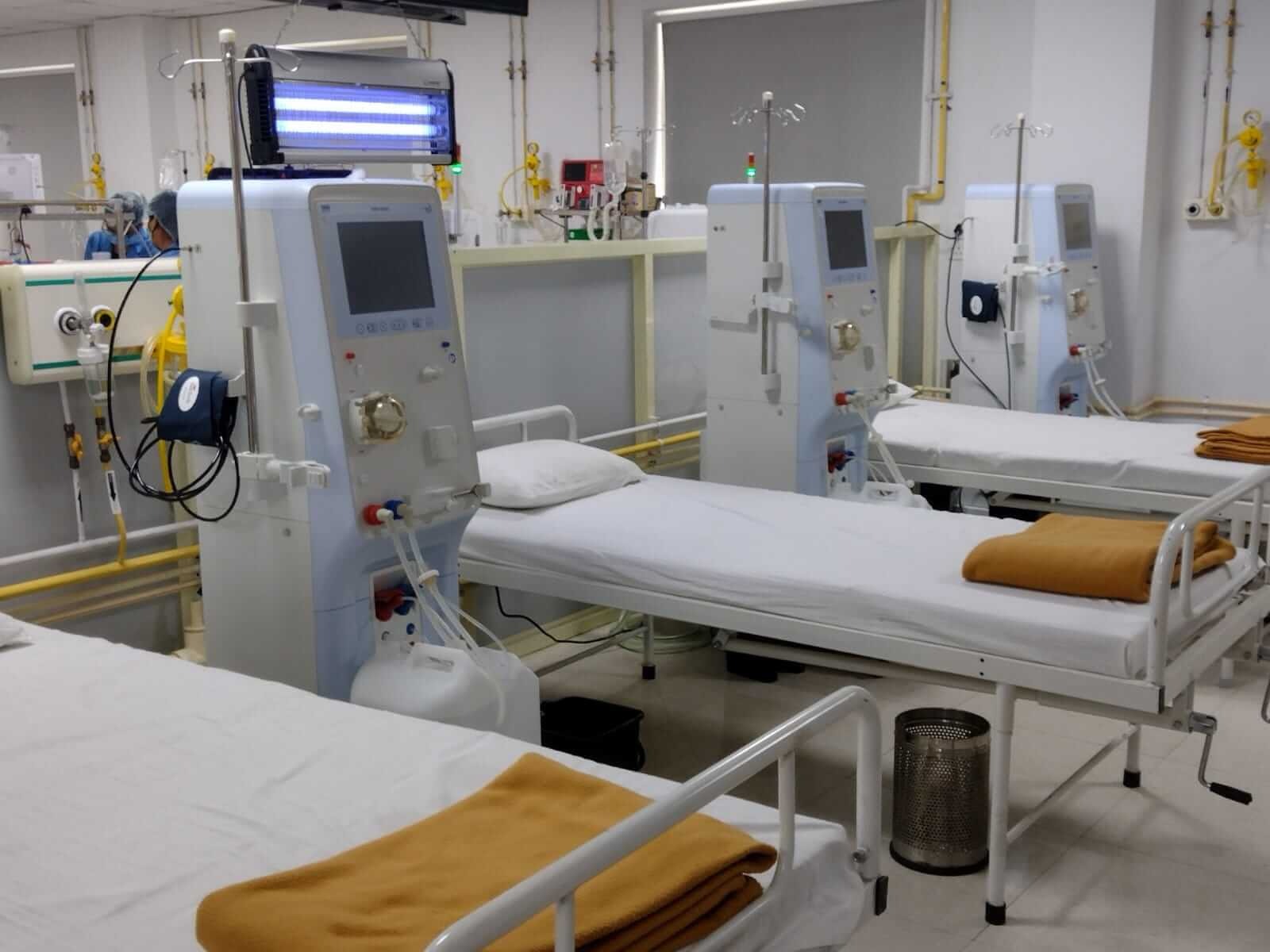
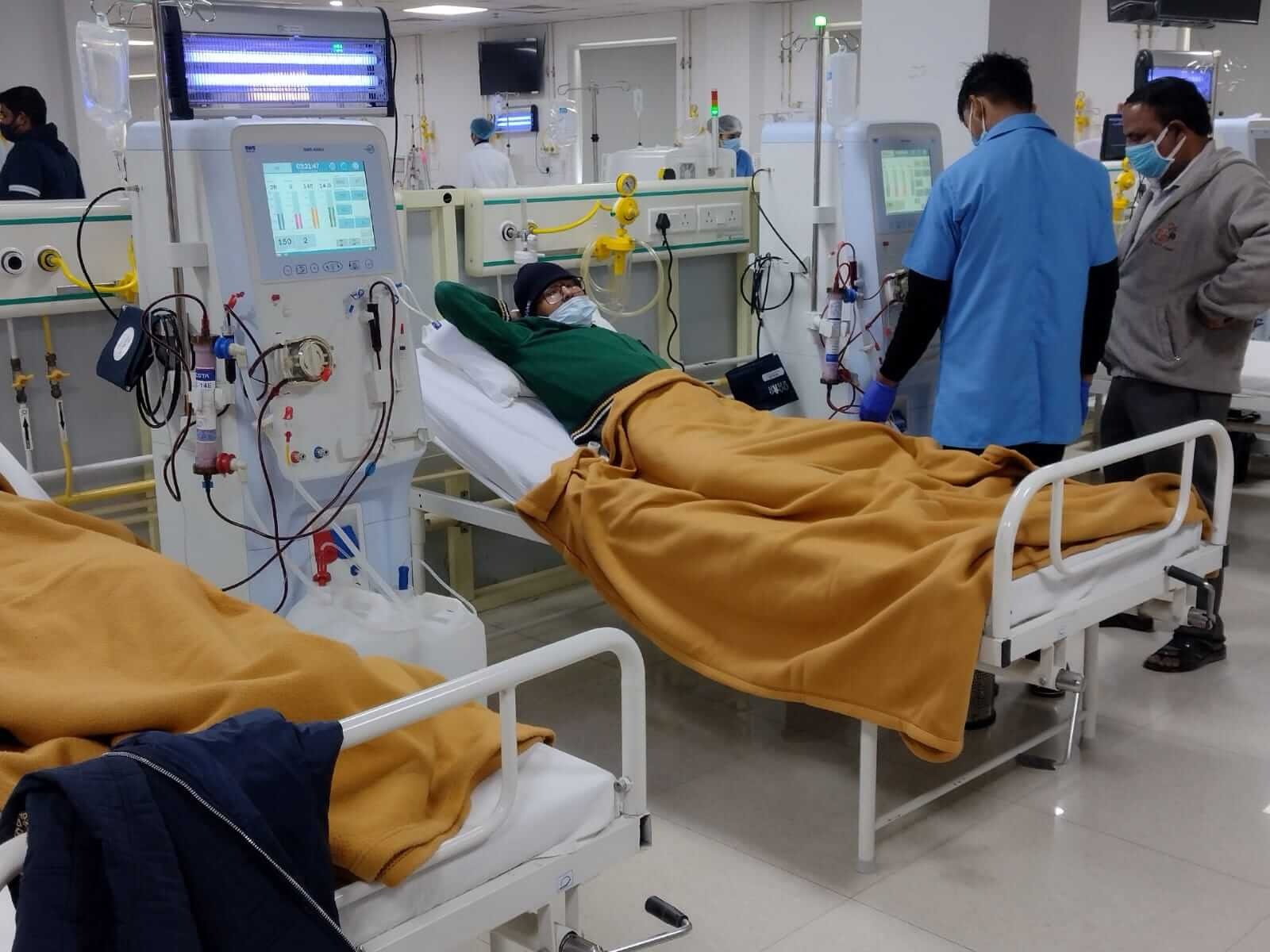
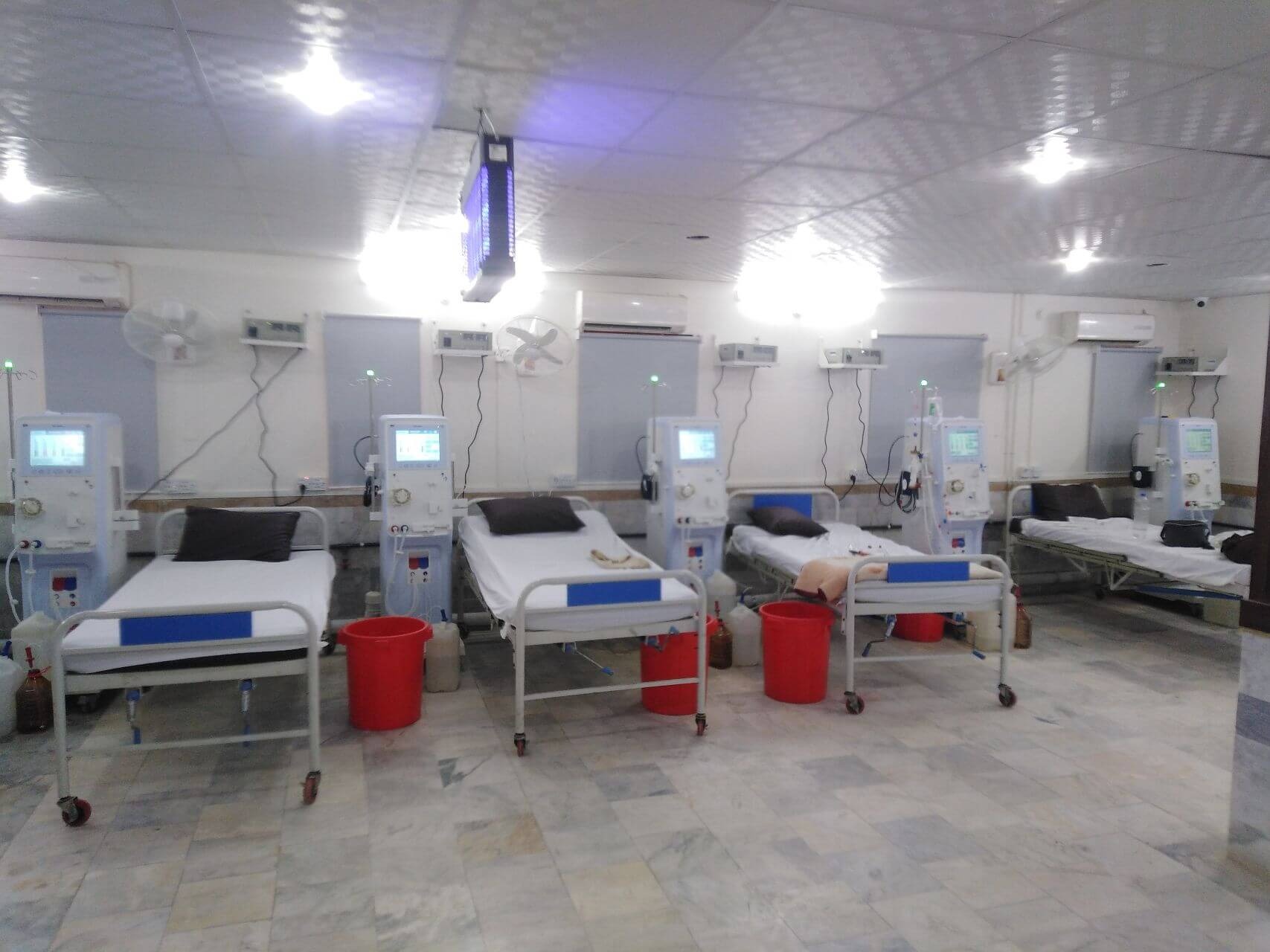
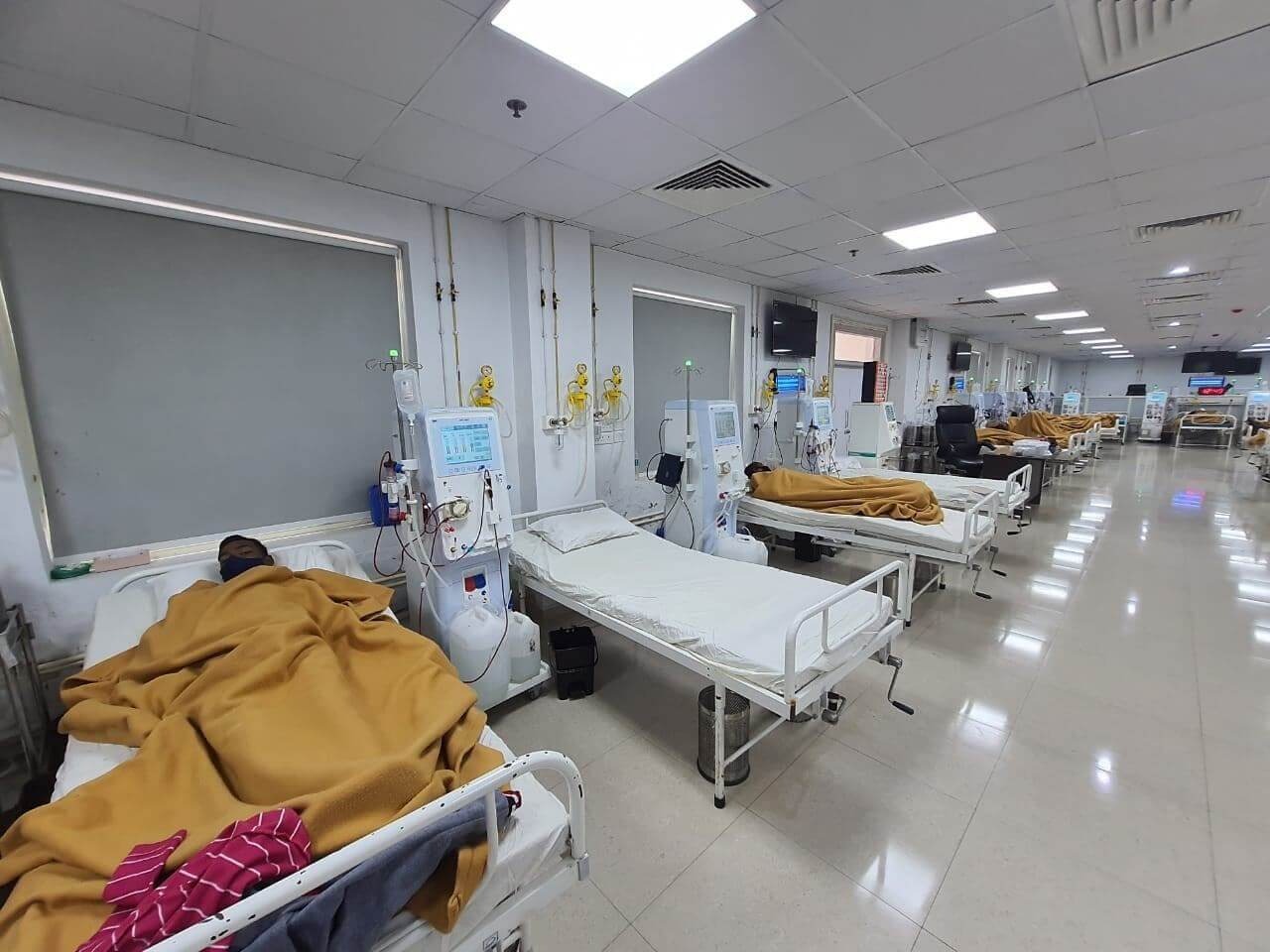
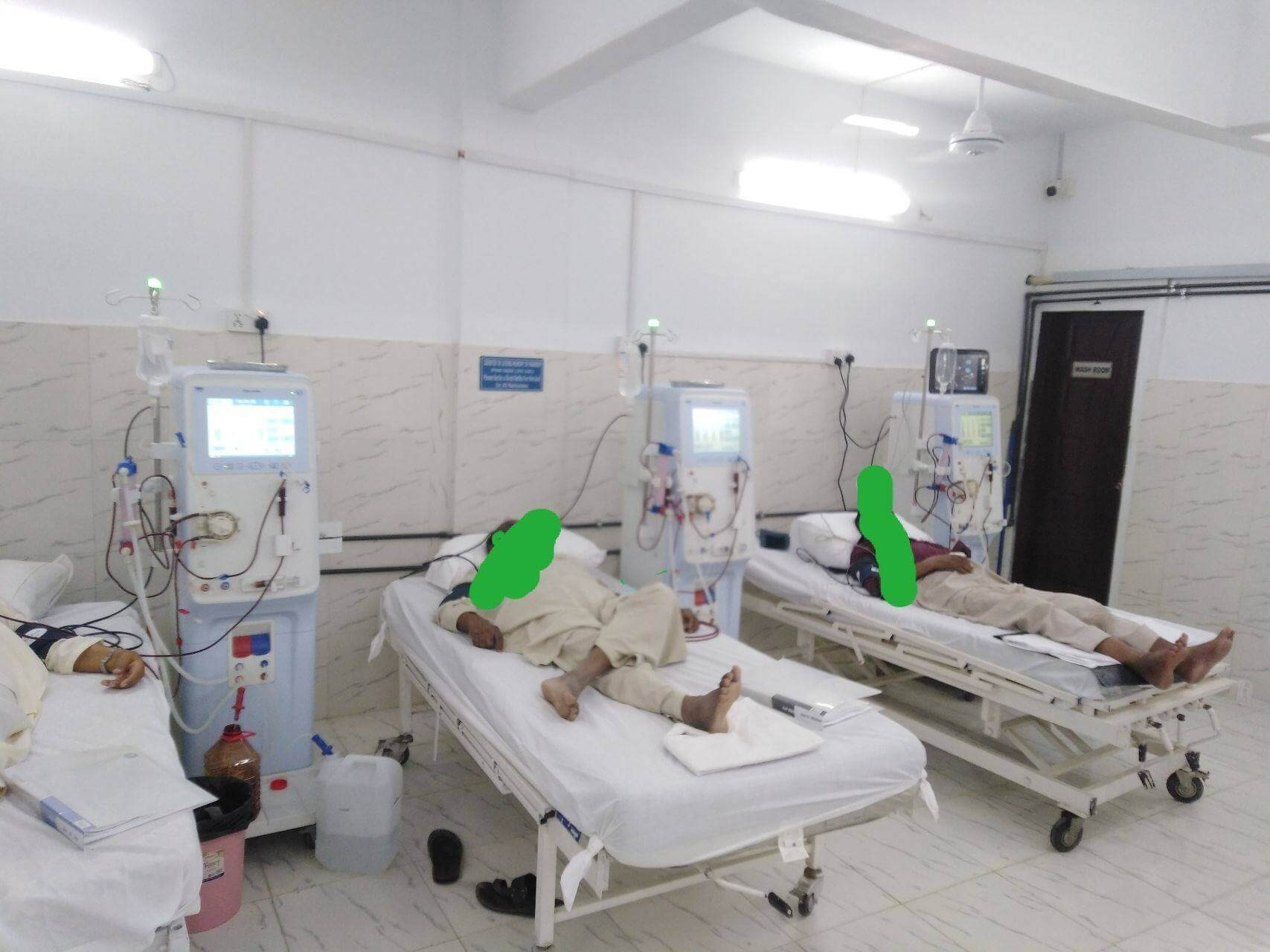
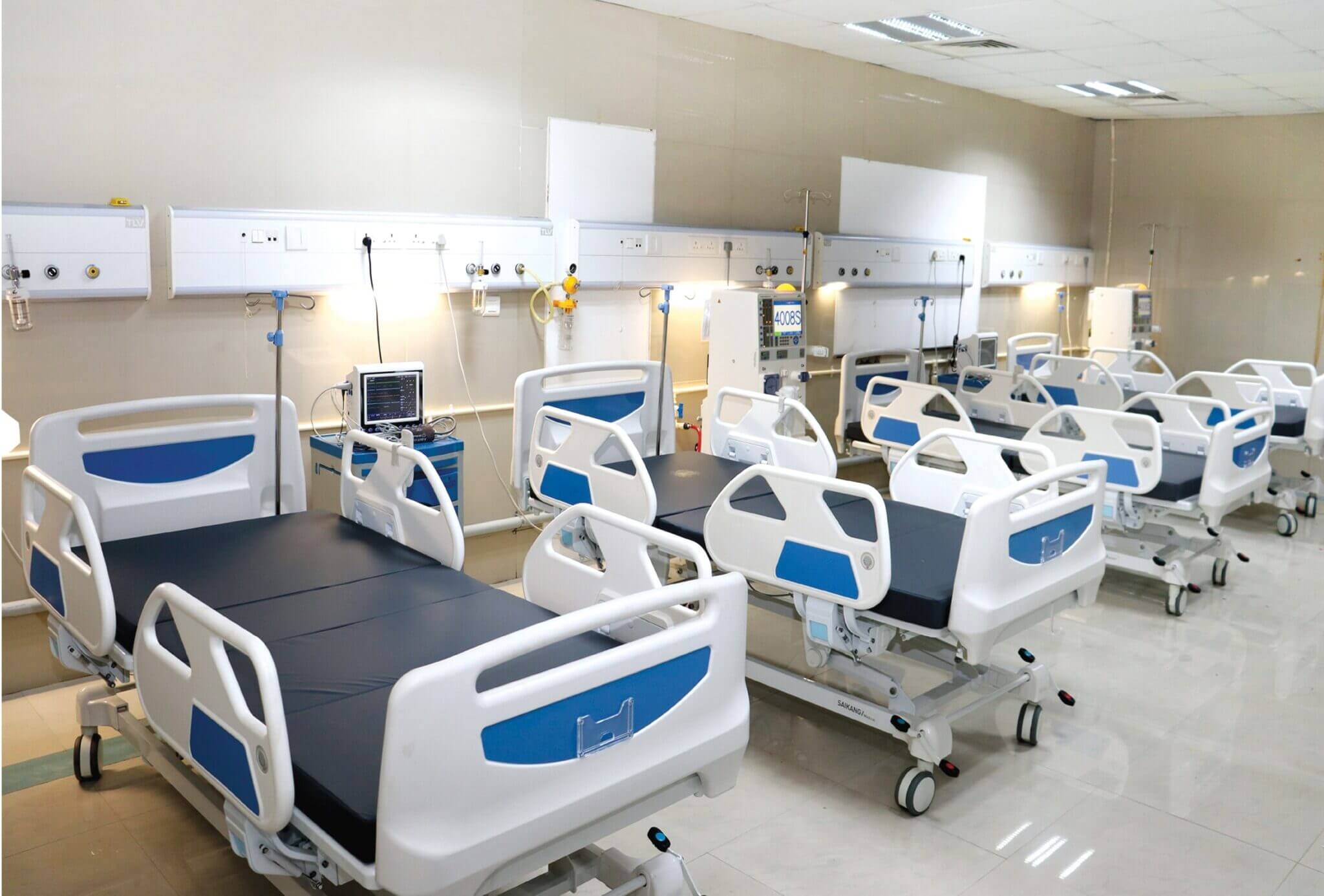
- Dialysis stations
- RO plant & water treatment room
- Doctor’s room
- Nursing station
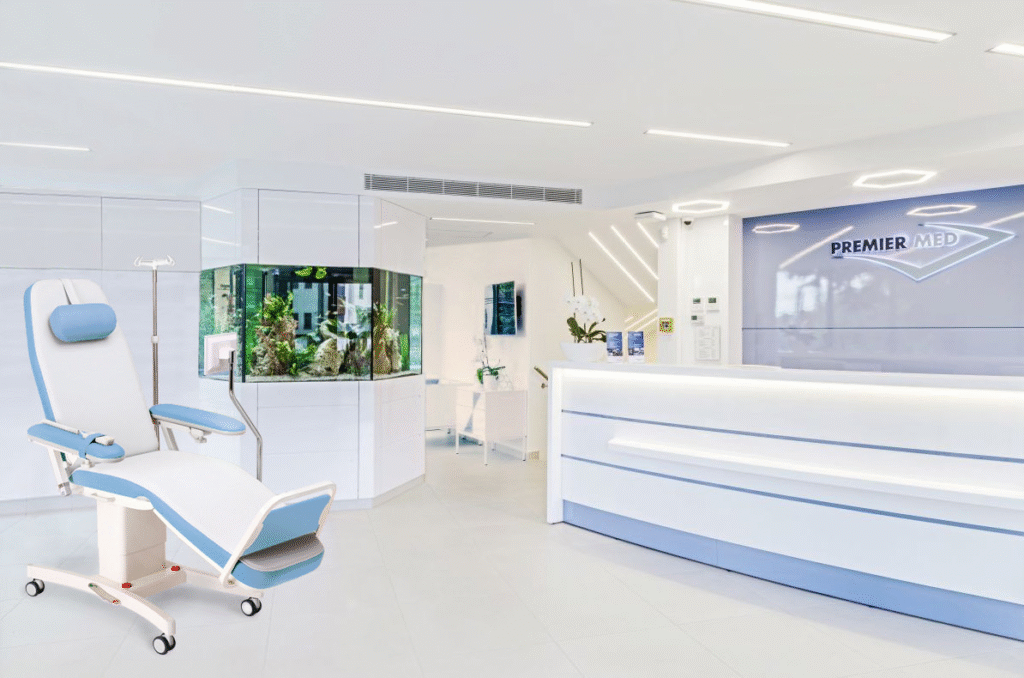
- Reception & waiting area
- Storage & utility areas
- Isolation room (for Hepatitis patients)
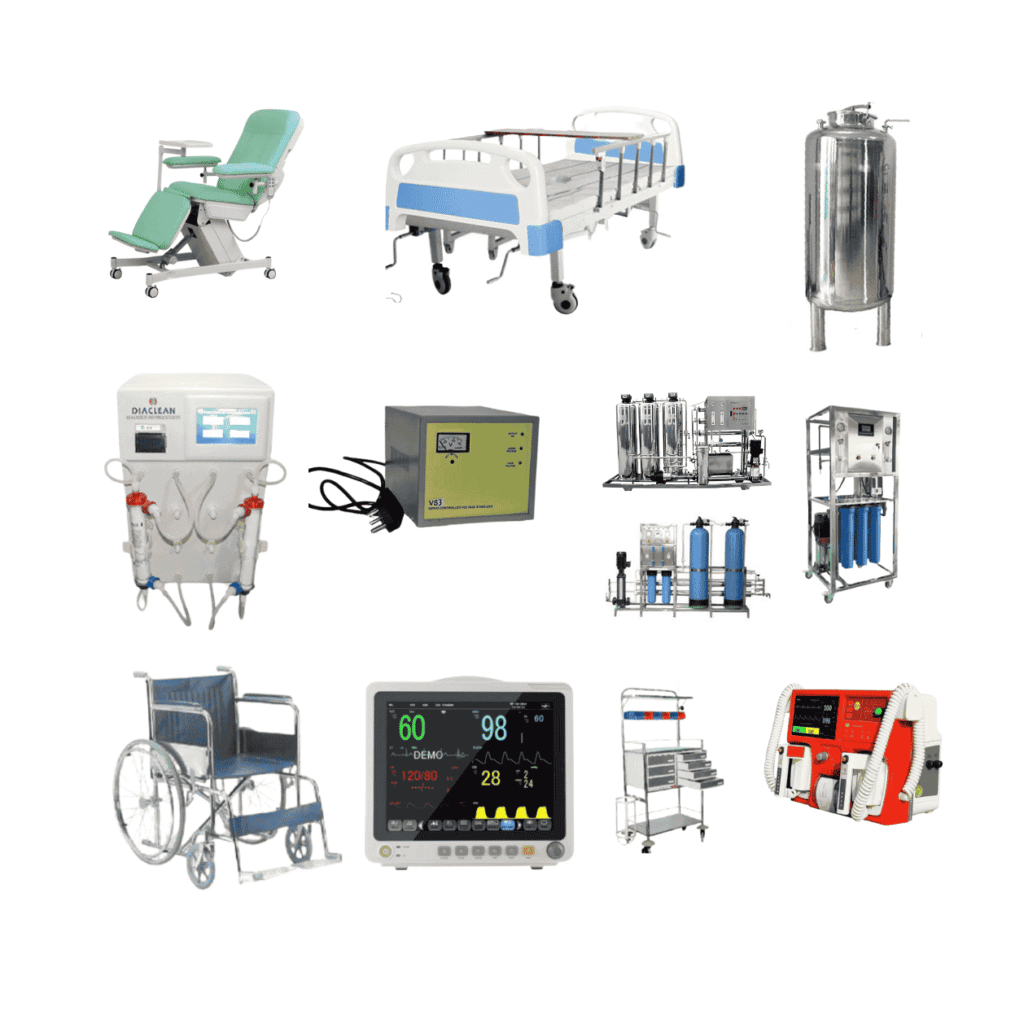
2. Dialysis Machines & Equipment Supply
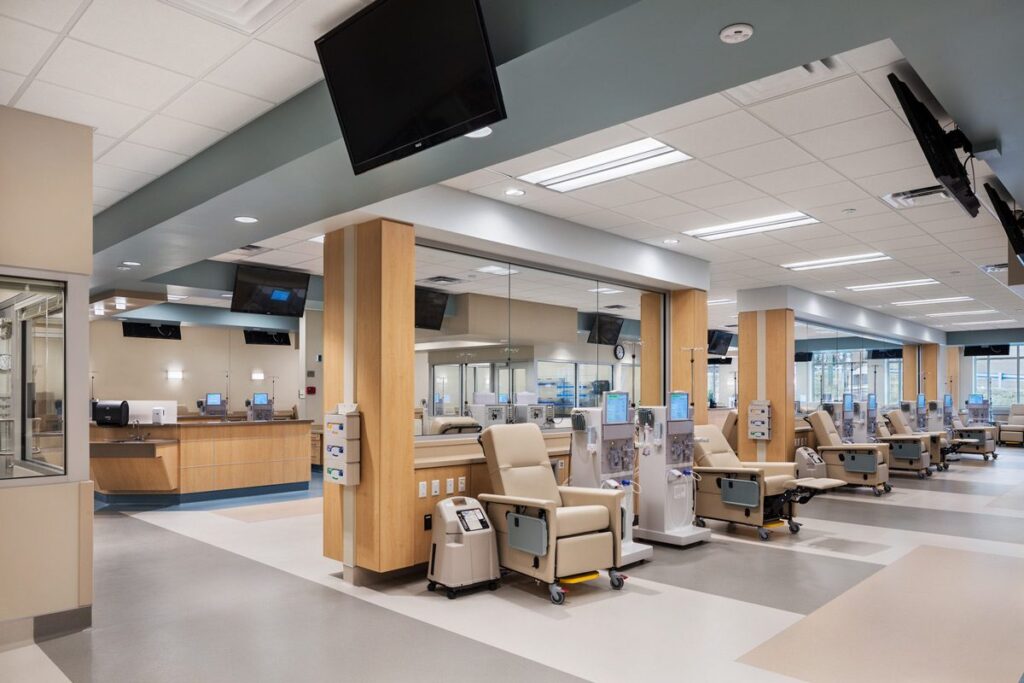
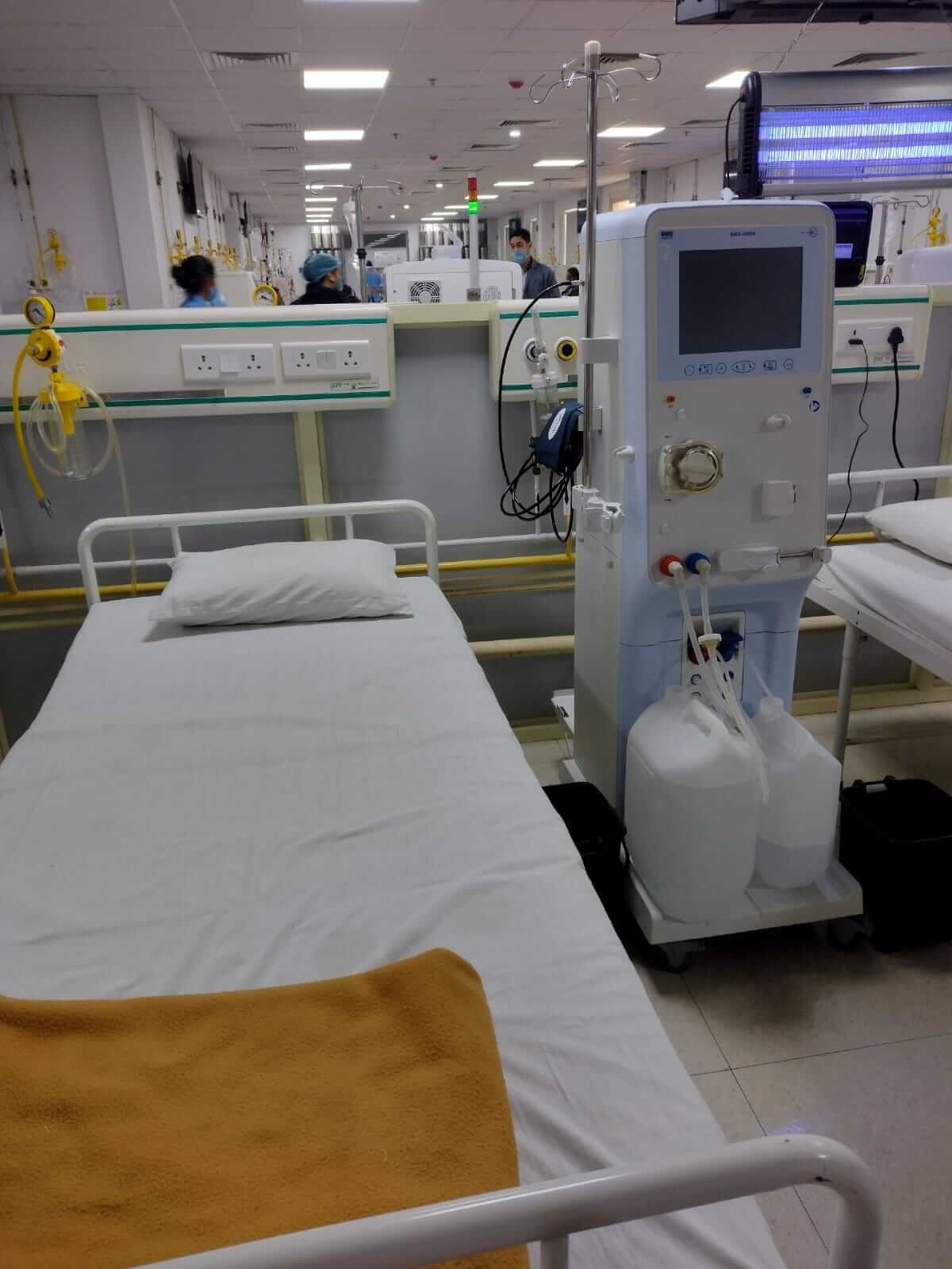
We provide high-quality, globally compliant dialysis machines and accessories:
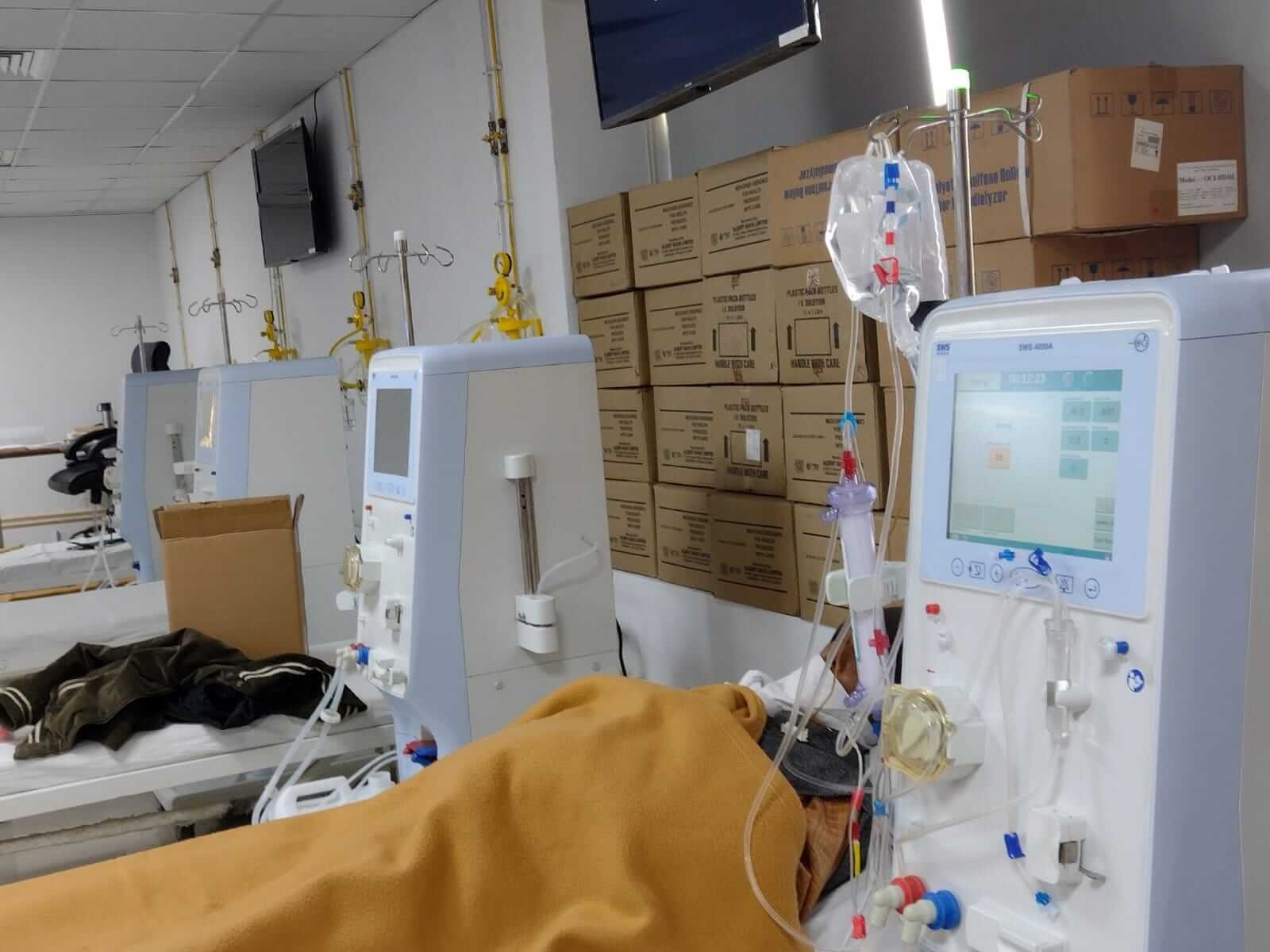
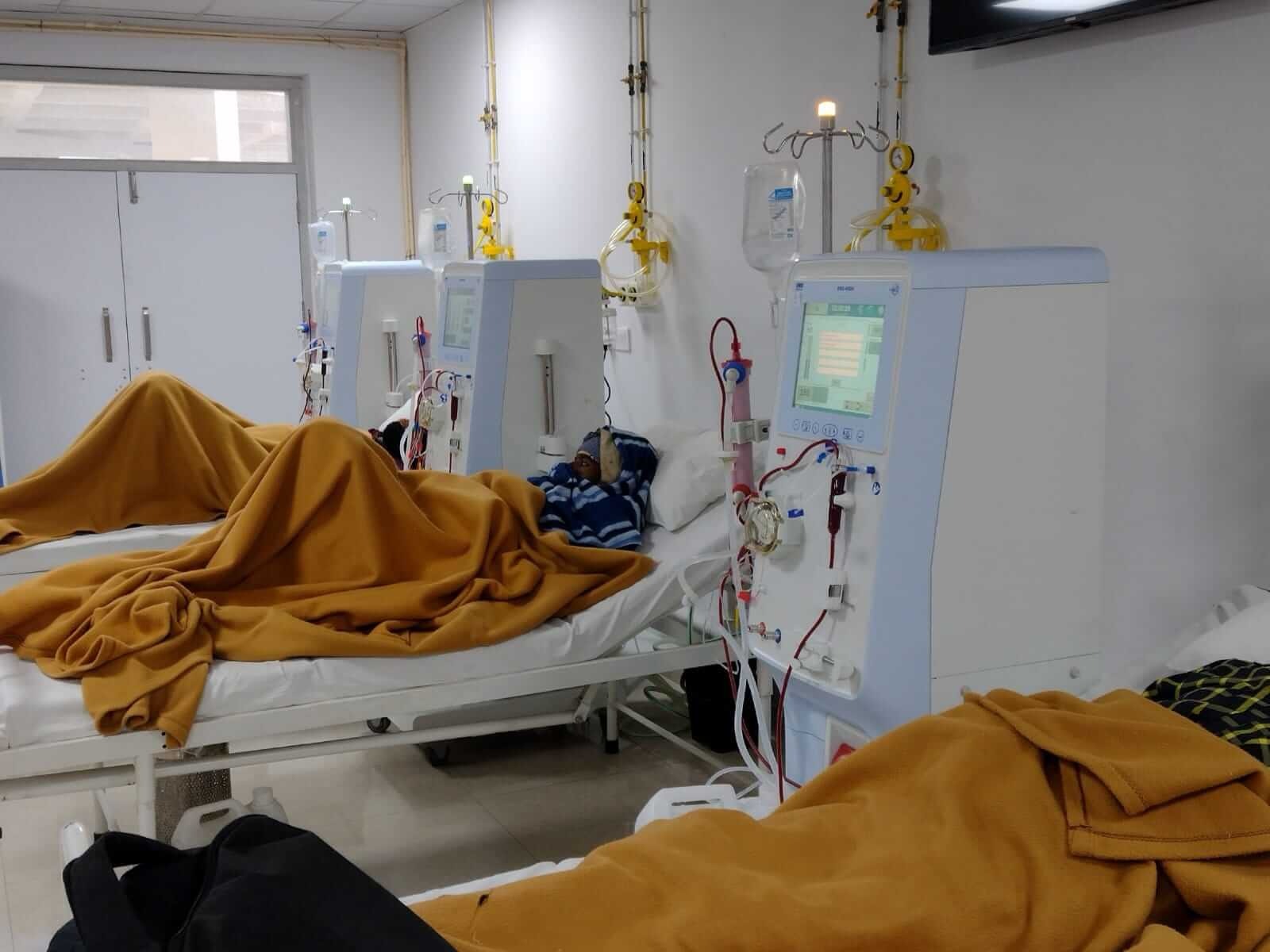
- Hemodialysis machines
- Dialysis chairs
- RO water treatment systems
- Trolleys, BP monitors & medical furniture
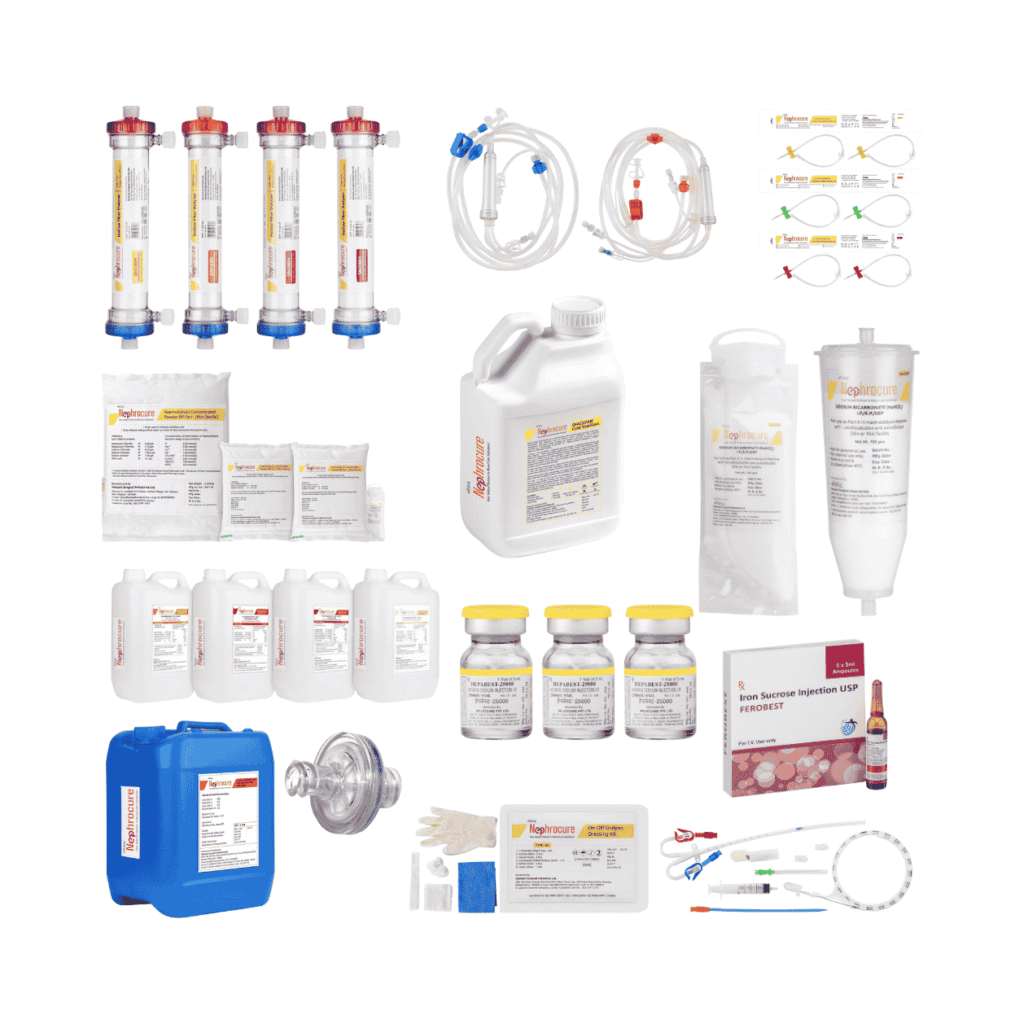
- All dialysis consumables (dialyzers, bloodlines, AV fistula kits, etc.)
3. RO Plant Installation & Water Treatment Setup
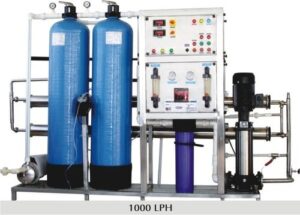
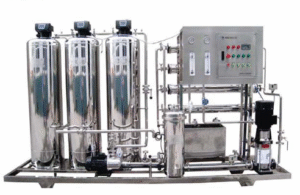
Water purity is the backbone of safe dialysis.
We install:
- Multi-stage RO systems
- UV disinfection
- Storage tanks
- Loop piping
- Online water quality monitoring
4. Installation & Commissioning by Experts
Our biomedical engineers handle:
- Machine installation
- Calibration
- Water quality testing
- Safety verification
- Trial runs before opening
This ensures your centre is 100% ready for operation.
5. Staff Training & Operational Guidance
We train:
- Doctors
- Nurses
- Technicians
- Support staff
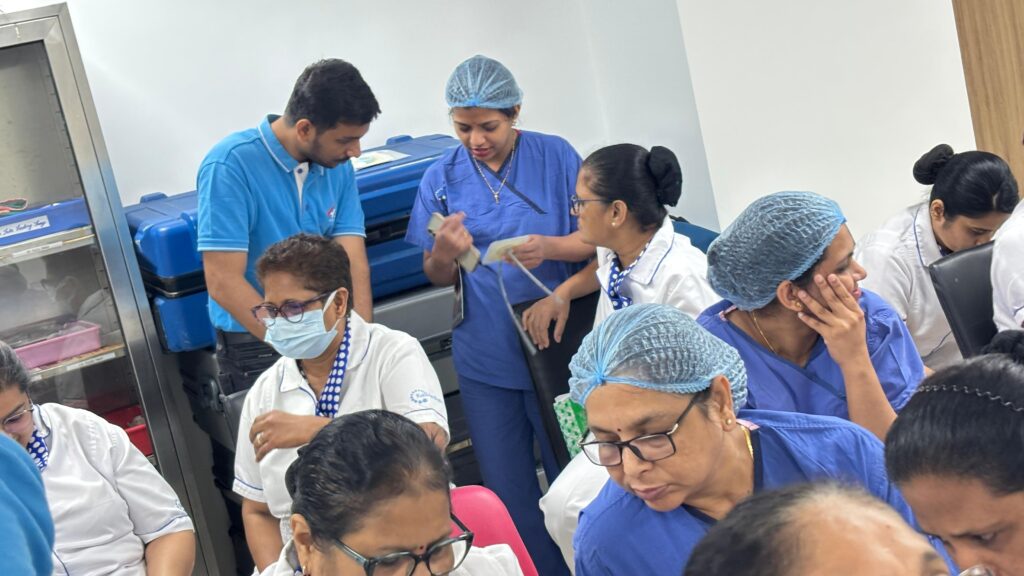
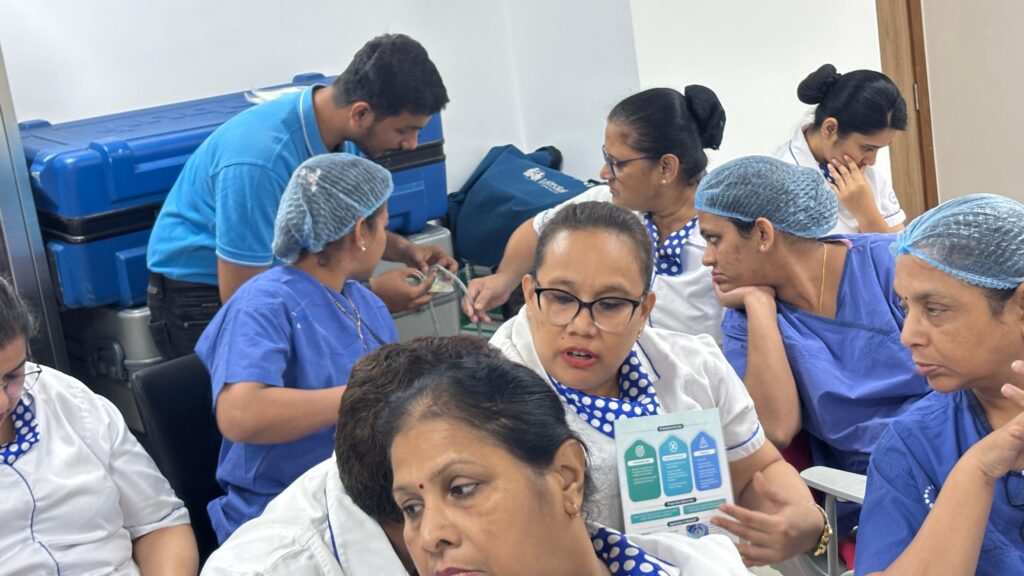
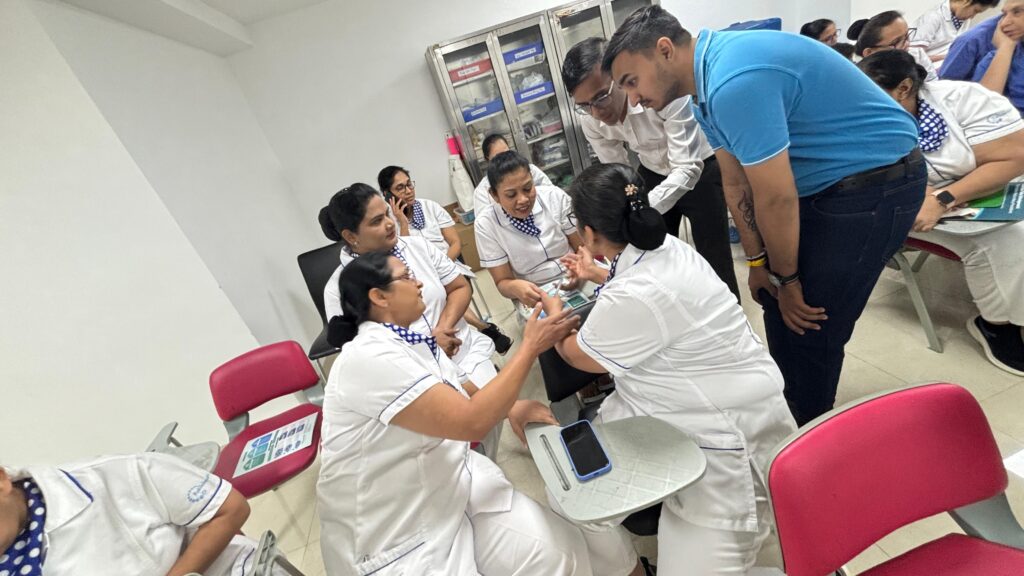
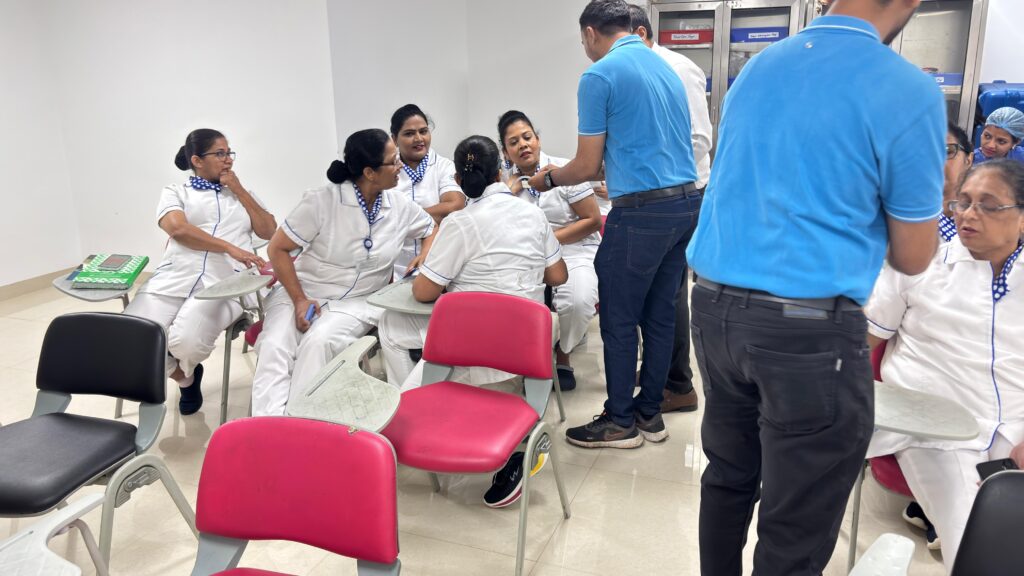
Training covers:
- Machine handling
- Infection control
- RO system maintenance
- Patient safety protocols
- Emergency management
6. Annual Maintenance & Technical Support
We offer:
- AMC & CMC contracts
- 24/7 service support
- Emergency breakdown assistance
- Regular machine servicing
- Consumables replenishment
This ensures long-term reliability and uninterrupted patient care.
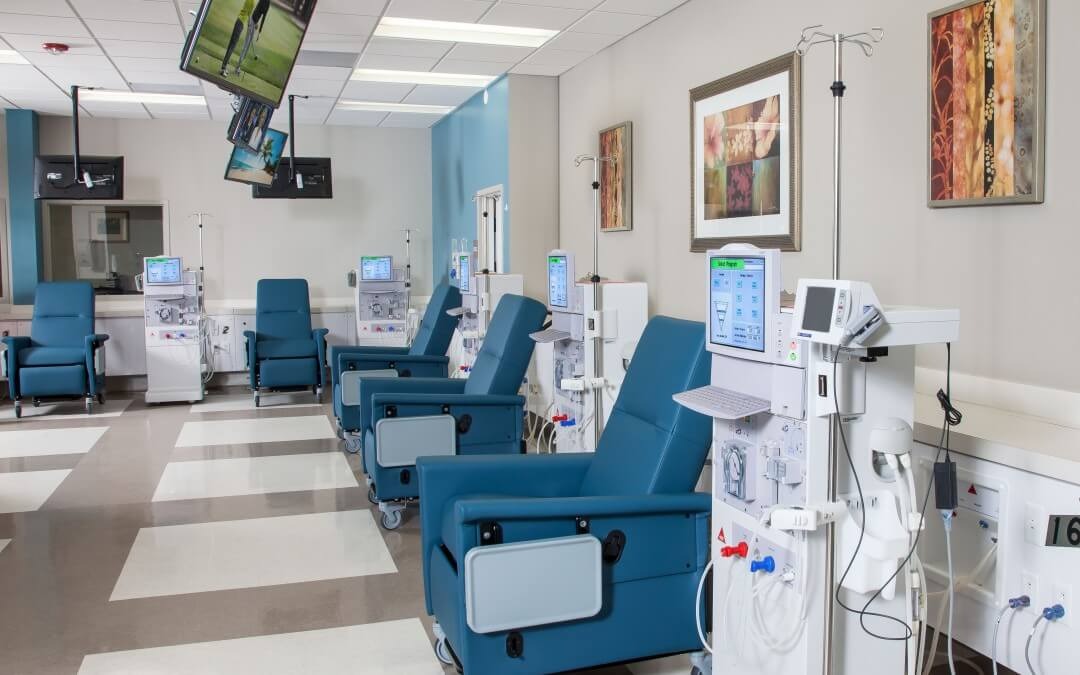
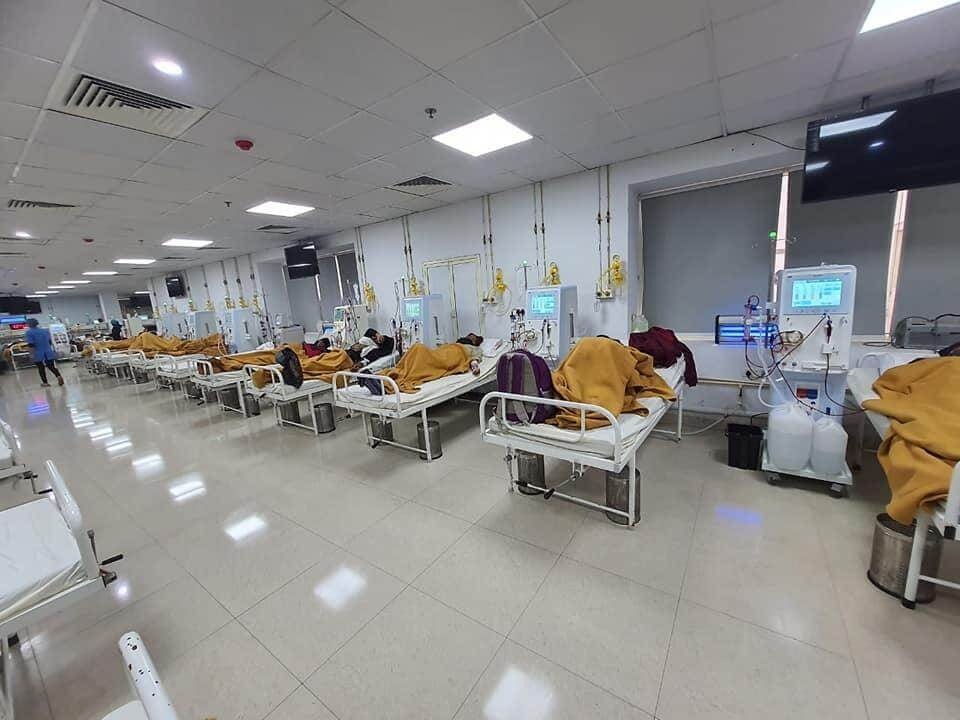
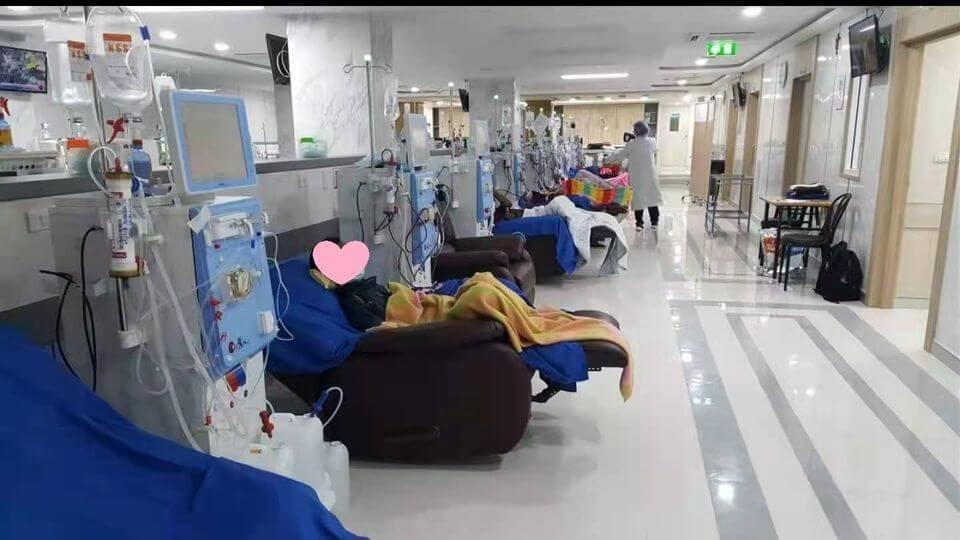
Ready to Set Up Your Dialysis Centre?
The setup cost depends on the number of dialysis beds and equipment selected. As per our standard package, a refurbished dialysis machine setup costs a minimum of ₹7 lakh per bed/chair, while a new dialysis machine setup costs a minimum of ₹9 lakh per bed/chair, including (Dialysis Machine, Stabilizer, Bicarb Mixture, RO Plant, Bed/Chair only).
1. Signage & Safety
- Languages: Display all informative signage in at least 2 languages.
- Informative Displays: Show provider/hospital registration details, operating hours, available services, fee structure, Patients’ Rights & Responsibilities, and emergency contact numbers (Blood Banks, Fire, Police, Ambulance).
- Safety Signs: Display hazards (electrical shock, flammable items, radiation), Fire Exits, and “No Smoking” signs in prominent areas.
2. Space & Infrastructure
- Dialysis Station: Minimum 6 sq. meters per station to accommodate a bed/chair, dialysis equipment, and emergency gear with adequate privacy.
- Isolation Units: Mandatory separate designated hemodialysis area for Hepatitis B patients (isolation is also required for Hepatitis C patients).
- Key Treatment Areas:
- Central Nursing Station positioned for direct visual surveillance of all patients.
- Dedicated Storage Area for sterile instruments and supplies.
- Work Area with a counter, hand-washing sink, and cabinets.
- Dedicated Water Treatment Area and patient/staff toilets (urinal, water closet, lavatory).
- Designated CAPD Training Area for patients and families.
- Non-Treatment Areas: Reception, waiting area with sufficient seating, clean separate toilets for males and females, and functional furniture matching the workload.
- Utilities & Environment: 24-hour drinking/hand-hygiene water, 24-hour electricity (with backup), proper ventilation, adequate lighting, and plumbing designed to prevent water backflow/cross-contamination.
3. Water Quality Testing
- Bacteria Analysis: Tested at least monthly.
- Chemical Analysis: Tested at least every 6 months.
- Water must be continuously treated to remain biologically and chemically safe for hemodialysis.
4. Medical Equipment & Drugs
- Equipment Maintenance: Sufficient equipment for bed capacity, regular inspection/cleaning, and a mandatory Equipment Logbook for major machines.
- Drugs & Consumables: Adequate stocks with emergency drugs available 24/7. Stored in a clean, well-lit, safe environment with strict inventory and dispensing records.
5. Staffing & Human Resources
- Centre Head: Must be a Qualified Nephrologist (DM/DNB). In areas without one, a certified trained dialysis physician may head the unit.
- Staffing & Records: Qualified medical, nursing, and paramedical staff. Maintain personnel files for all staff (including contract workers) with appointment orders, qualifications, and registrations.
- Training: Regular skill refreshers for all staff; mandatory Basic CPR training for all direct patient-care personnel.
6. Support Services & Safety
- Sterilization (CSSD) & Linen: Instrument/linen sterilization with process validation. Soiled and contaminated linen must be decontaminated and washed separately.
- Waste Management: Proper segregation, transport, and disposal of Biomedical Waste, toxic materials (mercury), and general waste per legal rules.
- Medical Gas & Ambulance: Medical Oxygen (and backup) available and stored safely. In-house ambulance service compliant with local laws; critical transfers require trained staff supervision.
7. Legal Compliance & Operational Rules
- Statutory Compliance: Full documentation confirming compliance with local laws and regulations.
- Hospital Tie-Up (MoA): Mandatory Memorandum of Agreement with at least a Secondary Care Hospital for inpatient emergency care (patients retain freedom of choice).
- Patient Care Protocols:
- Mandatory Informed Consent prior to procedures.
- Continuous patient monitoring during/after dialysis and medication (recording adverse reactions).
- Female patients examined/treated by male staff must have a female attendant/nurse present (and vice versa).
- Strict hygiene protocols (hand hygiene, PPE, regular disinfectant cleaning).
- Fire safety measures (prevention, evacuation, regular staff mock drills).
- Complete Discharge Summary issued to every patient upon discharge.
- Maintain physical/digital medical records securely and report health statistics to local authorities.
Registration & Public Area (30 sq. mtrs total): Must include a Reception Area, Waiting Area, and Public Utilities.
Treatment Room (80 sq. mtrs total): Must accommodate Bed Space, Procedure Room, Staff Changing Room, Dirty Utility, Clean Utility/Store, Dialyzer Cleaning Area, Toilet, Store Room, and CAPD Training Area.
Store & Pharmacy: Minimum 20 sq. mtrs.
Administrative Department: Minimum 20 sq. mtrs (includes Accounts Office and Medical Records).
Water Treatment Area: Minimum 20 sq. mtrs (includes RO Plant and Water Pump).
Generator Area: Minimum 5 sq. mtrs (for Generator setup).
(Note: This is an indicative list and the items shall be provided as per the size of the hospital and scope of service.)
- Examination Table
- Writing Tables
- Chairs
- Almirah
- Waiting Benches
- Medical Beds
- Wheel Chair / Stretcher
- Medicine Trolley, Instrument Trolley
- Screens / Curtains
- Foot Step
- Bed Side Table
- Stool
- Examination Lamp
- View Box
- Fans
- Tube Light / Lighting Fixtures
- Wash Basin
- IV Stand
- Colour Coded Bins for Bio-Medical Waste (BMW)
Emergency Equipment
The centre must be equipped with comprehensive resuscitation equipment, including a laryngoscope, endotracheal tubes, suction equipment, xylocaine spray, oropharyngeal and nasopharyngeal airways, as well as adult and pediatric Ambu bags (including neonatal if indicated). Additionally, it requires oxygen cylinders equipped with a flow meter, tubing, a catheter, a face mask, and nasal prongs. Other critical emergency items include a suction apparatus, a defibrillator with accessories, equipment for dressing, bandaging, and suturing, and basic diagnostic tools such as a blood pressure apparatus, stethoscope, weighing machine, and thermometer. An ECG machine, pulse oximeter, and a nebulizer with accessories must also be readily available.
Other Essential Equipment
The centre must maintain various other equipment in good working condition based on the scope of services provided and bed strength. This indicative list includes a stethoscope, sphygmomanometer, examining light, oxygen unit with gauge, minor surgical instrument set, instrument table, goose neck lamp, standby rechargeable light, ECG machine, suction machine, and a defibrillator with a cardiac monitor. Mobility and dialysis-specific equipment must also be provided, including a stretcher, wheelchair, hemodialysis equipment, haemodialysis set, monitor, and pulse oxymeter.
Emergency Drugs and Consumables
The centre must maintain an essential supply of emergency injections, including Inj. Diazepam 10 mg, Inj. Frusemide 20 mg, Inj. Ondansetron 8 mg/4ml, Inj. Ranitidine, Inj. Nor Adrenaline 4 mg, Inj. Phenytoin 50 mg, Inj. Diclofenac 75 mg, Inj. Deriphylline, Inj. Chlorpheniramine Maleate, Inj. Hydrocortisone 100 mg, Inj. Atropine 0.6 mg, Inj. Adrenaline 1 mg, Inj. KCl, Sterile Water, Inj. Soda Bicarbonate, Inj. Dopamine, Inj. Naloxone 400 mcg, and Inj. Lignocaine 50 ml. Other non-injectable emergency preparations must include Nebulizer Salbutamol 2.5 ml, Nebulizer Budesonide, and Lignocaine Jelly 2%. A range of essential intravenous fluids must also be readily available, including Ringer’s Lactate (RL) 500 ml, Normal Saline (NS) in 500 ml, 250 ml, and 100 ml volumes, Dextrose Normal Saline (DNS) 500 ml, Dextrose 5% 500 ml, Dextrose 10% 500 ml, and Pediatric IV Infusion Solution 500 ml.
Other Drugs and Consumables
Apart from the mandatory emergency supplies, all other additional drugs and consumables must be made available in accordance with the centre’s specific scope of services, total bed strength, and overall patient turnover.
Mandatory Legal Registrations and Establishments Compliance
A healthcare facility must comply with applicable state and local healthcare regulations. This includes obtaining registration under the Nursing Home Act, the Medical Establishment Act, or registration under the Clinical Establishments Act (where applicable). The establishment must also hold a valid Permanent Account Number (PAN) and Sales Tax registration. Additionally, if human resources are outsourced, the centre must maintain a valid Memorandum of Understanding (MoU) or agreement with external agencies in strict accordance with relevant labor laws, including compliance under the Provident Fund and ESI Act.
Environmental, Bio-Medical Waste, and Safety Clearances
The centre must secure bio-medical waste management licenses, which require Pollution Control Board (PCB) authorization for the healthcare organization along with an active MoU with an authorized waste vendor. Environmentally, a No Objection Certificate (NOC) under the Pollution Control Act (covering both Air and Water regulations) is required. Fire safety compliance must be established through a formal NOC from the Fire Department. Furthermore, building integrity must be documented with a Building Completion License, and each lift installed in the facility requires a specific Lift License.
Power, Fuel, and Hazardous Material Approvals
For utility management, the centre must adhere to applicable electricity rules and obtain formal approval for commissioning any Diesel Generator (DG) set. If diesel fuel is stored on-site for backup power, a Diesel Storage License must be procured. Facilities storing or utilizing medical gases must comply with the Explosives Act and maintain valid Medical Gases Licenses.
Transport, Wireless, and Security Regulations
If ambulance services are provided, the vehicles must comply with local motor vehicle laws, including holding valid Commercial Vehicle Permits, Commercial Driver Licenses for operators, and Pollution Control Licenses. If wireless equipment is utilized for communication, a Wireless Operation Certificate must be obtained from the Indian Posts and Telegraphs (P&T) department. Finally, if security guards on the premises carry weapons, compliance under the Arms Act, 1950 is required.
Patient Care Records
The centre must maintain a comprehensive record system for individual patient care that provides readily available clinical information. This includes detailed dialysis charts, standing orders for hemodialysis (which must be updated quarterly), physician’s orders, and completed consent forms. The records must also contain patient monitoring sheets, standing orders for medication, laboratory results, and a complete history and physical examination. Additionally, documentation must track hospital confinements (including corresponding dates and hospital names), a list of complications, and official transfer/referral slips whenever a patient is transferred or referred to another healthcare facility.
Incident and Accident Logbooks
The centre is required to maintain dedicated logbooks to track critical incidents, complications, and clinical outcomes. This includes recording complications related specifically to the dialysis procedure, vascular access, and underlying disease processes. The logbooks must also track the dialysis adequacy of patients receiving thrice-weekly treatments, overall treatment outcomes, and the current hepatitis status of both staff members and patients.
Staff and Patient Vaccination Records
Comprehensive immunization tracking must be maintained for both staff and patients. This record system must monitor compliance for Hepatitis B vaccinations given in a double-dose regimen (administered at 0, 1, 2, and 6 months), annual Influenza vaccinations, and Pneumococcal vaccinations administered every 5 years.
Water Treatment and Facility Maintenance Documentation
To ensure safety and quality control, the centre must maintain logs for water treatment quality, specifically documenting regular bacteriological and chemical analysis results. Furthermore, complete logs must be kept for facility and equipment maintenance, outlining both scheduled preventive maintenance routines and any corrective measures taken.
Patients’ Rights
Patients and their representatives have specific rights regarding their care, transparency, and dignity at the Dialysis Centre. They have the right to receive adequate relevant information concerning the nature and cause of their illness, proposed investigations, treatment plans, expected results, possible complications, and estimated costs. Additionally, rates for all services provided must be displayed prominently by the centre. Patients are entitled to access copies of their case papers, medical records, investigation reports, and itemized detailed bills, as well as give informed consent prior to specific tests or treatments.
Patients retain the freedom to seek a second opinion from a clinician of their choice—with necessary records provided by the hospital—and to choose alternative treatment options where available. They also have the right to select any registered pharmacy or diagnostic laboratory with qualified personnel to avail services. Regarding care standards, patients have the right to confidentiality, human dignity, and privacy during treatment, including the mandatory presence of a female chaperone during physical examinations of female patients by male practitioners. Furthermore, patients are protected against discrimination in treatment and behavior based on their HIV status, and they have the right to seek formal grievance redressal regarding services provided by the establishment.
Patients’ Responsibilities
Patients and their families are expected to fulfill key responsibilities to ensure safe, smooth, and respectful healthcare delivery. Patients must provide accurate health-related information and cooperate fully with doctors during examinations and treatment procedures. They are required to follow all prescribed medical instructions and pay agreed-upon hospital fees on time. Finally, patients and their representatives must respect the dignity of doctors and healthcare staff at all times and never resort to violence under any circumstances.
The informed consent form must be provided in a language and format that the patient or their representative can easily understand. It must contain the following essential details:
- Patient & Admission Details: The full name of the patient (or guardian in the case of a minor or mentally disabled patient), the patient’s registration number, and the date of admission.
- Clinical & Procedure Information: The name and registration number of the treating doctor, along with the specific name of the proposed procedure, operation, investigation, blood transfusion, or anesthesia, including a clear explanation of potential complications.
- Verification & Authorization: The signature of the patient or guardian, accompanied by the exact date and time of signing.
1. Background & Context
Initially, standalone dialysis centres faced empanelment difficulties under AB PM-JAY because they had to choose between General Medicine (which listed only Acute Renal Failure dialysis) or General Surgery (which mandatorily required operating theatres).
To address the growing need for chronic renal care and facilitate better access for AB PM-JAY beneficiaries, the National Health Authority (NHA) revised its policy. A dedicated sub-category named “Dialysis Single Specialty Hospital” was created under the Hospital Sub-Types in the Hospital Empanelment Management (HEM) portal with specific medical, civil, and manpower criteria.
2. Specific Criteria for Standalone Dialysis Centres
A. Legal & Structural Entity Requirements
- Independent Status: Must be a separate physical and legal entity, not attached to or part of any multispecialty hospital or medical college.
- Self-Declaration: Must submit a signed and scanned Self-Declaration on the institute’s official letterhead verifying its standalone status.
B. Mandatory Registrations, Licenses, & MoUs
- Registration: Must be registered under the Nursing Home Act / Medical Establishment Act / Clinical Establishments Act (where applicable).
- Fire Safety: NOC from the Fire Department.
- Ambulance Service: Commercial Vehicle Permit, Commercial Driver License, and Pollution Control License.
- Utilities & Safety: DG Set Approval for Commissioning, Diesel Storage License, and Medical Gases License / Explosives Act compliance.
- Outsourced Services: MoU/agreement for outsourced human resource agencies (labor laws), security, housekeeping, canteen, and pharmacy.
- Emergency & Blood Services: Mandatory MoU with a Multispecialty Hospital for emergencies, along with a Blood Bank License or an MoU with a registered blood bank.
3. Space & Infrastructure Requirements
A. Hemodialysis Area
- Space per Unit: At least $11 \times 10\text{ ft}$ ($100\text{ to }110\text{ sq. feet}$) per unit.
- Vital Monitoring: Facilities to monitor ECG, Blood Pressure, and Heart Rate.
- Visibility: Every machine must be easily visible from the central nursing station.
- Bed Connections: Head-end of each bed requires a stable electric supply, oxygen supply, vacuum outlet, treated water inlet, and drainage.
- Climate Control: Air conditioning set to $70\text{–}72^\circ\text{F}$ ($21\text{–}22^\circ\text{C}$) temperature and $55\text{–}60\%$ relative humidity.
- Infection Isolation: Strict physical separation and dedicated machines for patients with viral infections (HIV, HBV, HCV).
- Hand Hygiene: Sterillium / alcohol-based hand rub or sterilant dispensers in every patient area.
B. Machinery & Operational Space
- Minimum Machines: At least 5 dialysis units are required for empanelment (State Health Agencies may adjust this threshold based on local needs by recording written reasons).
- Reprocessing & Storage Areas: Independent area for reprocessing dialyzers, plus two separate storage areas—one for new supplies and one for reprocessed dialyzers.
- Additional Facilities: Consulting room for the Doctor-in-charge, office area for nurses/technicians, storage facility for individual patient belongings, space for a water treatment unit, and a dedicated patient/attendant waiting area.
4. Manpower Requirements
- Qualified Nephrologist: DM or DNB in Nephrology, OR an MD/DNB in Medicine with 2 years of Nephrology training from a recognized centre (Full-Time or Part-Time basis).
- Dialysis Doctor (At least 1 in each shift):
- MBBS with a valid registration.
- Minimum 1-year house job experience.
- Certified in Advanced Cardiac Life Support (ACLS).
- Experienced in central line placement and critical care management.
- Trained under a nephrologist for at least 6 months.
- Reports to a nephrologist in the same institute or a covering visiting nephrologist from the nearest facility.
- Dialysis Technician (Full-Time): Minimum 1-year (or longer) certificate course in dialysis technology after high school (government-certified) or verifiable hands-on experience.
- Dialysis Nurses (Full-Time): Qualified/trained nursing staff in accordance with professional and regulatory body requirements.
- Dialysis Attendants (Full-Time).
- Housekeeping Staff (Full-Time).
- Dietician & Social Worker: Optional.
5. Equipment & Water Treatment Requirements
A. Emergency Equipment
- Resuscitation equipment (Laryngoscope, endotracheal tubes, suction equipment, xylocaine spray, oropharyngeal/nasopharyngeal airways, adult & pediatric/neonatal Ambu bags).
- Oxygen cylinders with flow meters, tubing, catheters, face masks, and nasal prongs.
- Suction apparatus.
- Defibrillator with accessories.
- Dressing, bandaging, and suturing equipment.
- Basic diagnostic tools: BP Apparatus, Stethoscope, weighing machine, and thermometer.
- ECG Machine, Pulse Oximeter, and Nebulizer with accessories.
B. Regular Equipment
- Stethoscope, Sphygmomanometer, examining light, goose neck lamp, and standby rechargeable light.
- Oxygen unit with gauge, minor surgical instrument set, instrument table, ECG machine, suction machine, and defibrillator with cardiac monitor.
- Mobility equipment: Stretchers and wheelchairs.
- Dialysis-specific equipment: Hemodialysis equipment, hemodialysis sets, monitors, and pulse oximeters.
C. Dialysis Machines & Dialyzers
- Hemodialysis (HD) machines and Dialyzers.
- Peritoneal Dialysis machine and CRRT machine (both optional).
D. Reverse Osmosis (RO) Water Treatment Plant
Must include the following components:
- Feed water temperature control
- Backflow preventer
- Multimedia depth filter
- Water softener
- Brine tank
- Carbon filter tanks
- Ultraviolet irradiator (optional)
6. Online Empanelment Process via HEM Portal
To apply, the healthcare provider must access the Hospital Empanelment Management (HEM) portal at [https://hospitals.pmjay.gov.in](https://hospitals.pmjay.gov.in).
Registration Steps & Form Breakdown
- Account Creation: Select State, District, Hospital Name, Parent Type (Single or Group), Hospital Type (Dialysis Single Specialty Hospital), and provide contact details. An exclusive Hospital Reference Number and password will be generated.
- Hospital Basic Information: Enter full address (with geographical longitude), establishment year, legal name, registration number, ownership type, PAN details, Head of Organization details, PMJAY Nodal Officer info, and accreditation levels (if any).
- Financial Details: Authorized account signatory name, bank account number, bank name, IFSC, cancelled cheque, and TDS exemption declaration (if applicable).
- Specialty Selection: Must strictly select “M6 Nephrology” only. No other specialty choices are permitted.
- Licenses & Certifications: Upload relevant certificates across Building & Infrastructure, Registrations & Certifications, and Services.
- Civil Infrastructure: Details on architectural design, floor counts, fire licenses, electricity backup, biomedical waste, total beds, OPD, and ramps.
- Medical Infrastructure: Details on IT infrastructure, medical equipment, and drug availability.
- General Services: Details regarding reception, billing, laboratory, diagnostics, pharmacy, and blood bank ties.
- Manpower Details: Enter all active human resources across administrative, clinical, nursing, diagnostic, laundry, and store departments.
- Self-Declaration Upload: Upload a signed, scanned Self-Declaration on the facility’s official letterhead confirming its standalone status.
7. Inspection and Governance Roles
A. Role of the District Empanelment Committee (DEC)
- Application Scrutiny: Must process the application within 15 days of receipt.
- Document Verification: Cross-check uploaded documents against original physical copies.
- Physical Inspection: A verification team (including at least one qualified MBBS doctor) conducts an on-site inspection of equipment, staff, infrastructure, and standards, capturing supporting photos/videos.
- Specialty Audit:
- If additional available specialties were omitted, the hospital is given 7 days to re-apply with pre-populated data. Failure to do so leads to disqualification.
- If a hospital applying under “Dialysis Single Specialty” is found to be operating as a multispecialty facility, its application is rejected, and a show-cause notice for fraudulent submission is issued.
- Reporting: DEC submits its final recommendation and report to the State via the portal.
B. Role of the State Empanelment Committee (SEC)
- Final Approval: Reviews DEC reports to approve, deny, or return the application. Overall approval/rejection must be completed within 30 days of initial application receipt.
- Rejection & Appeal: Written reasons for rejection are uploaded to the portal. The hospital has the right to file a review with the State Health Agency (SHA) within 15 days of rejection. If rejected in review, the hospital may approach the Grievance Redressal Mechanism.
- Re-entry & Blacklisting:
- Voluntary withdrawal requires a 6-month waiting period before re-applying.
- Blacklisted hospitals can re-apply only after the blacklisting period ends or is revoked.
- No Capacity Cap: There is no restriction on the number of empanelled hospitals within a district.
C. Contract Signing
- Timeline: Within 7 days of SEC approval, a contract is signed with the State Government (a tripartite agreement involving the Insurance Company, SHA, and Hospital, where applicable).
- Nodal Officer: The hospital must designate a Nodal Officer for AB PM-JAY administrative and medical communications.
- System Access: A dedicated Admin User ID is generated for the hospital to execute transactions for beneficiary treatments.
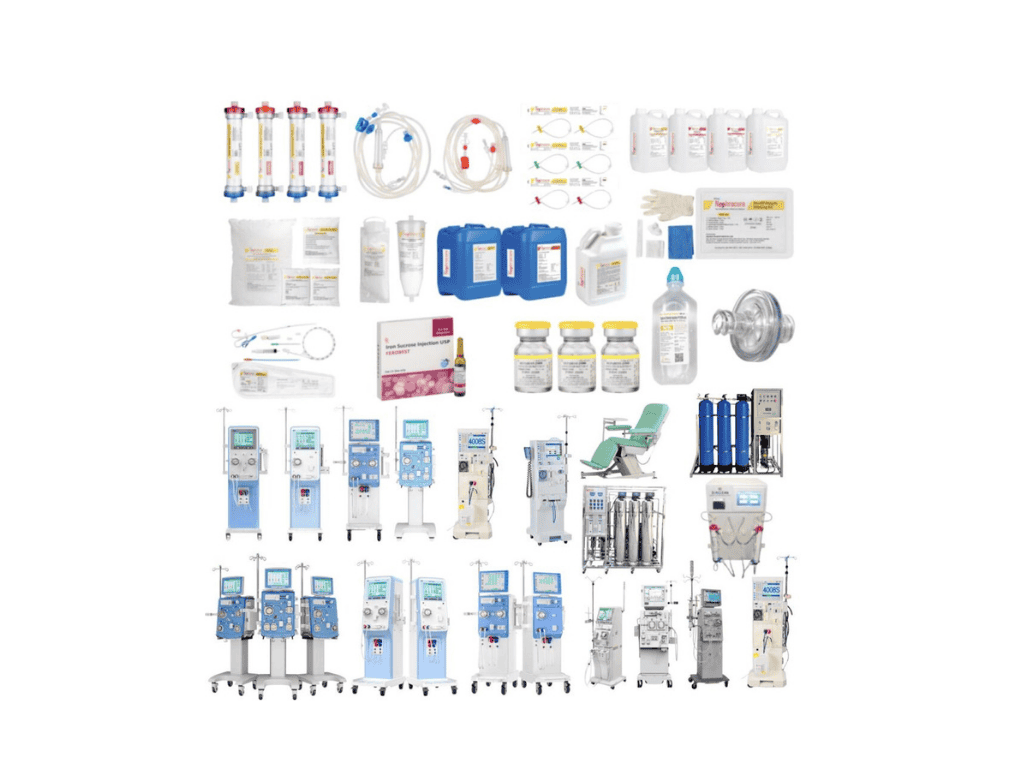
Our turnkey dialysis centre setup service includes site assessment, layout planning, dialysis machines, dialysis chairs, RO water treatment systems, installation, commissioning, staff training, operational guidance, and ongoing technical support. We handle the entire project from planning to execution.
Water quality is critical for patient safety during dialysis. We install multi-stage RO systems, UV disinfection units, storage tanks, loop piping, and online water quality monitoring systems to ensure safe and compliant dialysis operations.
Yes. Our team conducts site evaluation and develops a customized AutoCAD-based layout that includes dialysis stations, nursing stations, doctor’s rooms, RO rooms, waiting areas, utility rooms, and isolation rooms as per medical standards.
Yes. Our biomedical engineers manage complete installation, machine calibration, water quality testing, safety verification, and trial runs to ensure the dialysis centre is fully operational before patient treatment begins.
We are the dedicated Renal Care Division of Hemant Surgical Industries Limited, a name that has been trusted in the medical and surgical industry for over 40 years. HSIL-Nephrocure specialises in the field of Turnkey Dialysis setup. It has completed several Turnkey projects in African and Asian Countries with an installation base of more than 4000+ dialysis machines in the span of 25+ years. The company has a dedicated team of 100+ Bio-Medical Engineers across the globe for installation and after-sales services. The company has successfully incorporated its own dialysis centres in Mumbai and Nairobi, Kenya. The company has a vision of having a chain of dialysis centres across the globe.